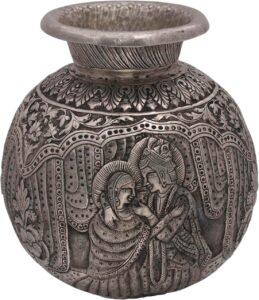
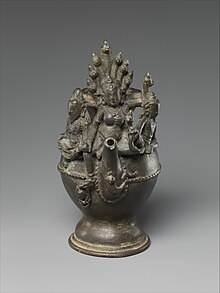
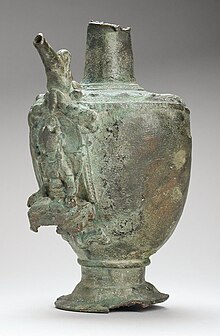
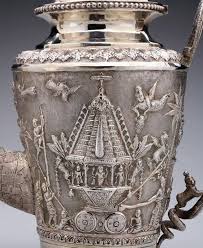
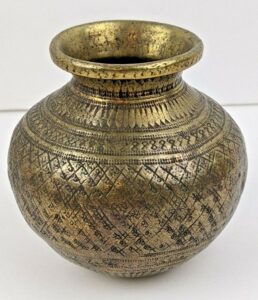
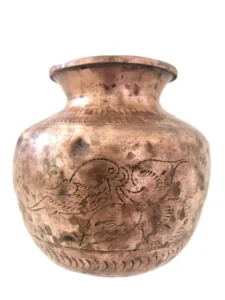
The lota, a small, round metal or earthen pot, holds an iconic place in Indian culture and daily life. Used primarily for storing and pouring water, the lota transcends its utilitarian purpose to symbolize simplicity, tradition, and a connection to nature. It is not just a vessel but a cultural artifact that has traveled through centuries of Indian history.
Ancient Origins
The lota, with its simple yet functional design, has been a staple of Indian culture for thousands of years. Its origins can be traced back to ancient times, reflecting the ingenuity and resourcefulness of early civilizations in the Indian subcontinent.
Archaeological excavations at sites like Harappa and Mohenjo-Daro have unearthed terracotta and metal vessels resembling the modern lota.
These vessels were likely used for storing water and other liquids, showcasing the advanced pottery and metallurgy skills of the time.
Regional Variations
Ancient lotas varied in shape, size, and material based on regional traditions and resources. Clay lotas were common in arid regions, while metal lotas dominated areas with access to copper and brass.This diversity highlights the adaptability of the lota to different environments and cultural needs.